
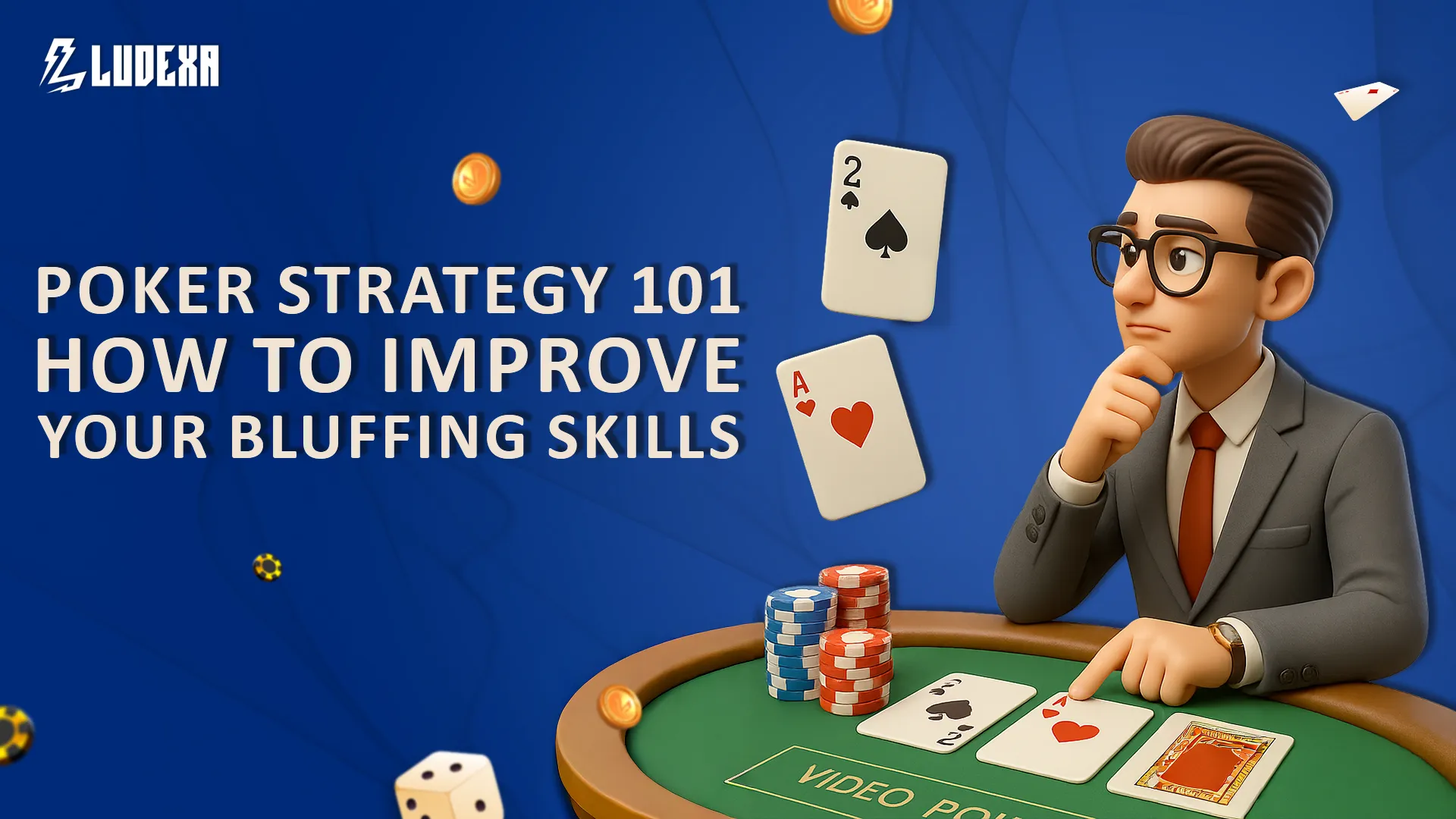
Bluffing is one of the most interesting and least understood aspects of poker. It is what keeps a game of poker exciting even though you may be holding a completely empty hand. However, the truth is that in this case bluffing is not about betting big and hoping that everyone will fold. It is a well-planned action that when done correctly will entirely alter the result of a hand.
To novice players, the poker strategy beginners generally pay attention to hand rankings, position, and basics of betting. But should you truly desire to take your game to the next level then you should learn how to bluff. In this guide, we will deconstruct the mechanism of bluffing, its appropriate time to use and how you could begin playing smarter bluffs whenever you play online poker.
Beginners Poker Strategy: How to learn to Bluff.
Whenever human beings mention poker strategy when game beginners, the bluffing is accompanied by a caution: “Do not over-bluff, or you will be caught with a cheque you can cash in on only a few times before being caught by opponents. And that is a good tip, although it does not imply that you should not bluff at all. Bluffing is a weapon and just like any weapon, it is effective when applied with precision.
A bluff is not only meant to win a gambling pot with a poor hand, but to get your opponents to believe what you are telling them and to bluff away otherwise winning hands. That involves timing, observance and confidence.
The significance of Bluffing in Poker.
It is nothing like getting good cards but playing the cards you have better than the other players, it takes more than just that. Bluffing leaves your opponent in suspense and may compel them to make hard choices and also enables you to win pots that would have been otherwise lost.
Bluffing is important even to the new players as:
- It balances your playstyle. If you only bet when you have strong hands, you’ll become predictable.
- It lets you steal pots. Sometimes the cards just don’t come, bluffing keeps you in the game.
- It helps build your table image. Bluffing smartly makes you harder to read in future hands.
In online poker, where physical tells are missing, bluffing becomes even more powerful. You’re playing purely based on betting patterns, timing, and psychology, making a good bluff even more satisfying.
Also Read: How to Avoid Common Noob Mistakes in Online Multiplayer Games
Types of Bluffs Every Player Should Know
Not all bluffs are created equal. Understanding the types of bluffs will help you know which one fits the situation best.
- Pure Bluff: You have nothing, no chance of winning if called, but you bet to make everyone fold.
- Semi-Bluff: You have a drawing hand (like four cards to a flush). Even if someone calls, you still have a chance to hit a strong hand.
- Continuation Bet (C-Bet): You raised pre-flop, missed the flop, but still bet to represent strength.
- Steal Bluff: A late-position raise to steal blinds and antes, especially effective against tight players.
Each type of bluff has its place. Beginners should start with semi-bluffs because they give you two ways to win, your opponent folds, or you hit your draw.
Timing is Everything
The number one mistake new players make is bluffing at the wrong time. Timing your bluff is critical because a poorly timed bluff is just a donation to the pot.
Best times to bluff:
- When there are fewer opponents in the hand
- When you have position (acting last gives you more information)
- When the board favors strong hands (e.g., Ace-high boards)
Worst times to bluff:
- Against “calling stations” who never fold
- Into a big multi-way pot
- When you’ve been caught bluffing recently (opponents may call you lighter)
Example: Imagine you raise pre-flop with suited connectors, miss the flop, but the board comes Ace-high and everyone checks to you. A well-sized continuation bet here can often take the pot because the board looks like it hit your range.
Building a Believable Story
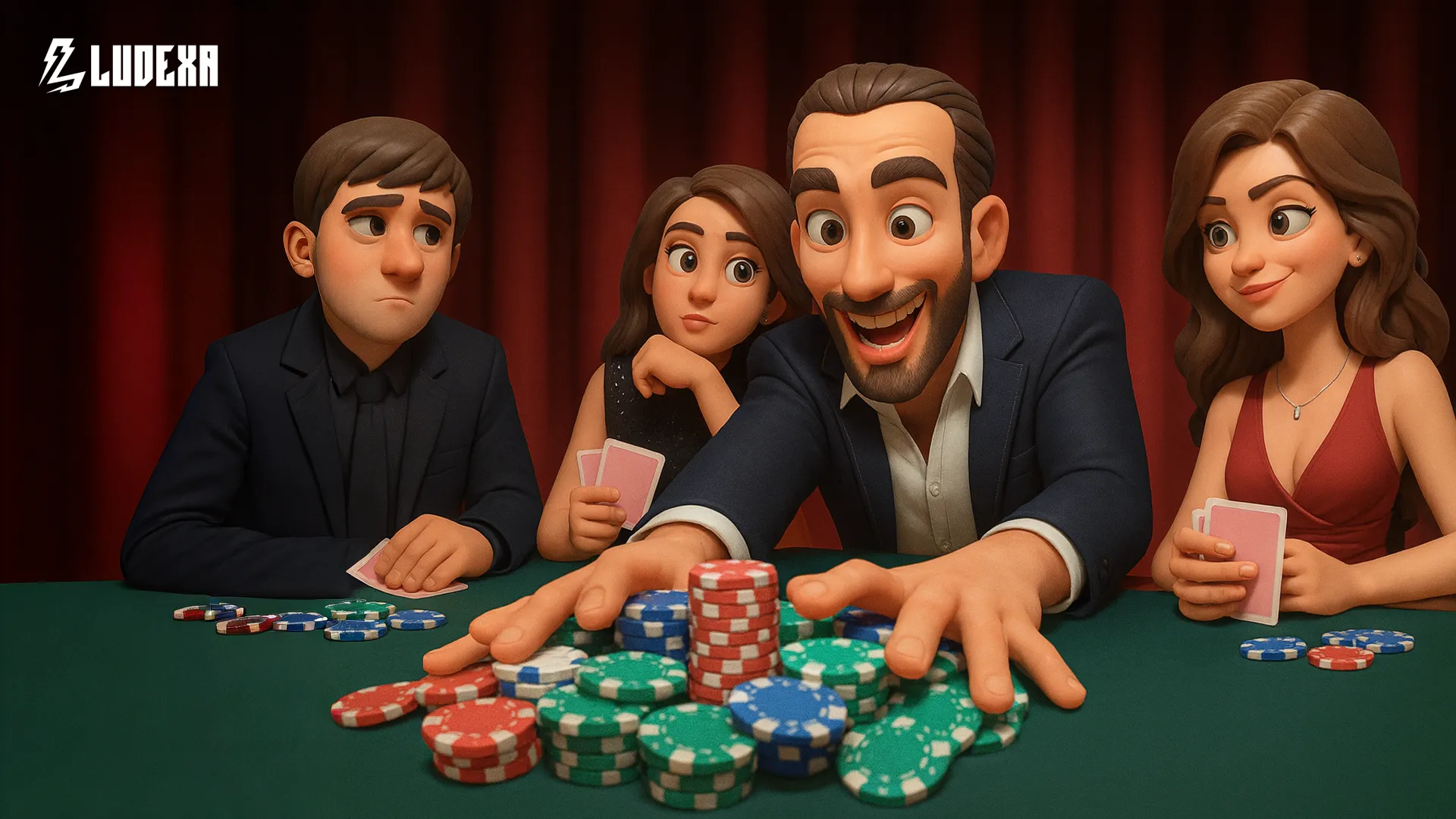
Bluffing is about telling a story with your bets. Every action you take during the hand needs to be consistent with that story.
If you suddenly overbet the river after checking every street, you’re sending mixed signals. A good bluff makes sense in the context of the entire hand, pre-flop, flop, turn, and river.
Tips for telling a good story:
- Stay consistent: If you represented strength pre-flop, keep betting strong post-flop.
- Size your bets appropriately: Too small looks weak, too big looks suspicious.
- Think about what hand you’re pretending to have, does your betting line make sense for that hand?
Reading Opponents (Even Online)
You don’t need to see your opponent’s face to pick up information. In online poker, you read betting patterns, timing tells, and tendencies.
Look for:
- Players who fold to continuation bets too often, great bluff targets
- Players who bet big with strong hands and small with weak ones
- Quick calls vs long “tank” calls (timing tells can reveal strength or weakness)
On Ludexa Games, you can take notes on players to track who folds often, who bluffs too much, and who can’t resist calling down with marginal hands.
Online Poker vs Live Bluffing
Bluffing online is different from bluffing live because you lose access to physical tells — no facial expressions, no nervous chip shuffling, no shaking hands to read.
This means you rely more on:
- Bet sizing: Online players often follow patterns without realizing it
- Frequency: How often they check, bet, or raise in certain spots
- Stats & tools: HUDs (Heads-Up Displays) can reveal fold-to-C-bet percentages, aggression factors, etc.
While live bluffing can use psychology and presence, online bluffing is often more math- and pattern-driven.
Common Bluffing Mistakes
Even experienced players fall into these traps sometimes. Avoid them to keep your bluffs profitable:
- Bluffing too often: If you’re bluffing every other hand, people will start calling you down.
- Bluffing into multiple opponents: The more players in the hand, the more likely someone has a hand strong enough to call.
- Giving up mid-hand: If you’re going to bluff, commit to telling a consistent story until the end, unless the board changes drastically.
Practice Makes Perfect
Bluffing is a skill you can (and should) practice, just like any other part of poker. Start small and build confidence.
- Play micro-stakes games on Ludexa Website so mistakes don’t cost too much.
- Review your bluffs: After your session, look at hands where you bluffed and ask: “Was this a good spot? Did my story make sense?”
- Observe others: See how hand analysis works on expert players. Watching online streams or reading about their hand games helps you understand how to bluff and succeed.
With time, you will begin to know when to bluff and when not to.
Final Thoughts: Bluff Smarter, Win More.
Bluffing is not only the stylish thing that poker professionals can do, but bluffing is also an art that every player must master, even at his first steps. With knowledge of the various kinds of bluffs, good selection of your spots, developing a solid story, and practice; you can make bluffing an effective tool of your poker.
Strategy Poker, as far as beginners are concerned, cannot be merely learning how to play certain hands at Ludexa. It is the actual advantage of knowing how to make your opponents uncomfortable, to make them take difficult choices, and winning pots, which they did not think you would win.
The next time you play poker over the internet, you should not fear injecting a timely bluff or two in it. You just should remember that bluffing is not a matter of quantity. When played properly, it will turn you into an individual who merely plays, to an individual who can be feared, and that is when poker is really enjoyable.